
Available Styles and Dimensions
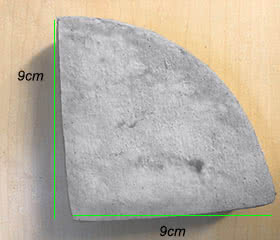
We recommend raising your pots on pot feet to prevent silt clogging and to help ensure good drainage. Below is an overview of the available quarter-pie pot feet variants and dimensions we offer:
| L cm | W cm | H cm | Price | Custom |
| 9 | 9 | 2 | $3 | $5 |
| 9 | 9 | 4 | NA | $10 |
| 15 | 15 | 2 | NA | $8 |
| 12.5 | 12.5 | 10 | NA | $10 |
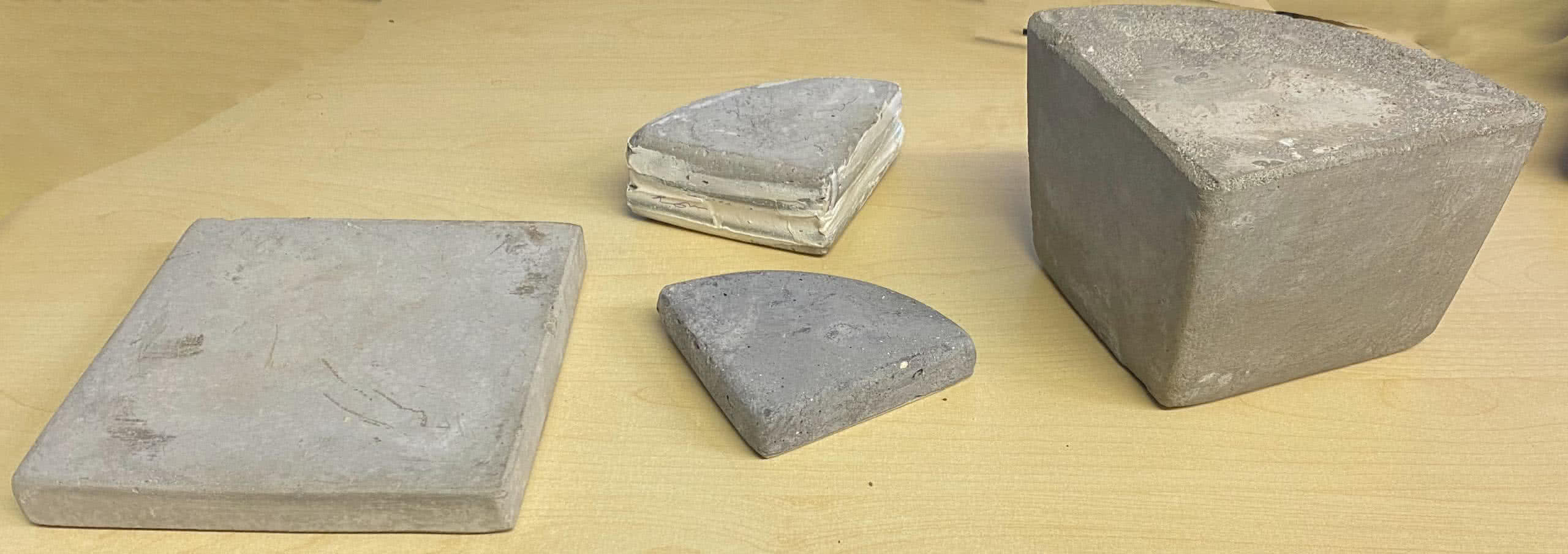
Extending Pot Life by Reducing Structural Stress
In addition to improving drainage, pot feet play an important role in supporting the long-term structure of the pot itself. When pots sit directly on hard or uneven surfaces, weight can concentrate on specific points around the base or rim, particularly as soil settles or plants grow.
Over time, repeated watering, natural ground movement and exposure to wind can cause subtle shifts that increase stress on the sides and lower edges of the pot. By slightly elevating the pot, pot plant feet help distribute weight more evenly and reduce prolonged contact with damp surfaces. This can assist in minimising pressure on rims and sidewalls, particularly for heavier or larger pots, and support more consistent performance over time.
Material and Finish Options
Our pot feet are available in both painted and unpainted finishes to suit different applications.
Painted pot feet offer added UV durability and are suitable for outdoor use where exposure to sunlight and weather is expected. Colour-matched options can also help blend pot feet discreetly with the pot or surrounding surface.
How Much Do They Cost?
- Unpainted feet are $3 (inc. GST) each
- Painted feet are from $5 (inc. GST) each
How Many Feet Do I Need?
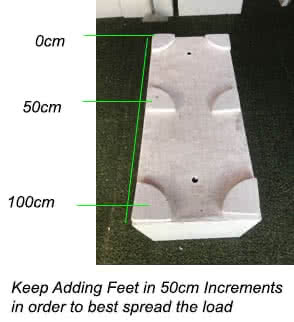
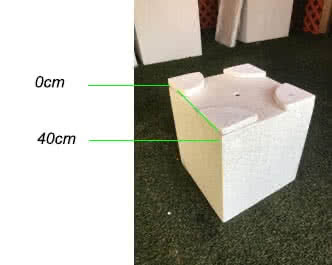
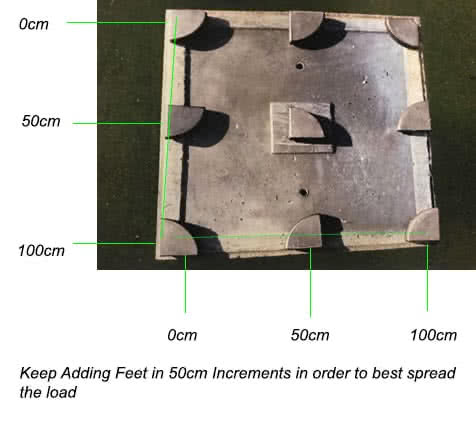
An easy rule to remember when calculating pot feet quantities for your project is to allow four pot feet per 50 cm to properly support the load of your pot. We have included examples below to assist.
Feet Quantity Examples
In the example below, 6 feet are used on a planter with dimensions of 1000L x 450W x 450H. Here, feet are placed in increments of no greater than 50 cm to spread the load evenly.
In the example below, 4 feet are used on a cube with dimensions of 400L x 400W x 400H. Here, feet are placed in increments of no greater than 50 cm to spread the load evenly.
In the example below, 4 feet are used on a cube with dimensions of 1000L x 1000W x 1000H. Here, feet are placed in increments of no greater than 50 cm to spread the load evenly.
Installation Tips
When installing pot feet, ensure they are positioned evenly beneath the pot so that the weight is shared across all feet. Spacing should follow the recommended 50 cm increments to prevent uneven pressure.
Pot feet should be placed so that drainage holes remain completely clear. Avoid positioning feet directly beneath drainage openings, as this can restrict water flow. For best results when installing pot feet:
- Check that the ground or surface beneath the pot is level and stable
- Reposition the feet if the pot rocks or sits unevenly once filled
- Allow enough clearance for water to drain freely after watering
- Inspect feet periodically, especially after heavy rain or movement
Correct installation works best when combined with proper planting methods. If you are unsure about the correct pot setup, refer to our planting guide for additional information.
Maintenance and Troubleshooting
As part of regular pot care, it’s important to occasionally check that pot feet remain level and unobstructed. Warning signs to look out for include:
- Water pooling around the base of the pot
- Slow or restricted drainage
- Damp patches that do not dry
- Loose or uneven pot feet
These checks are particularly important for pots supporting large outdoor plants, where weight and moisture levels are higher. Adjusting or repositioning pot feet early can help prevent ongoing drainage or structural issues.
Local Know-How from Wentworth Falls
Based in Wentworth Falls, we understand how local conditions such as higher rainfall, cooler temperatures and year-round outdoor exposure can affect pots over time. These conditions make consistent drainage and proper elevation especially important, as moisture can linger beneath pots for longer periods.
Seasonal weather changes, combined with uneven outdoor surfaces, can gradually impact how pots sit and drain. Using pot feet helps maintain airflow beneath the pot and supports reliable drainage throughout the year. If you’re unsure how these conditions affect your pots, our team can help you assess the right setup.
Get in Touch with Wentworth Falls Pots for Your Pot Feet Needs
If you have questions about pot feet, drainage or correct setup, get in touch with Wentworth Falls Pots to speak with our experienced team and receive practical, reliable advice tailored to your needs.